Understanding Your Child’s Life Path

Parenting is arguably the only job where you’re expected to be an expert from day one without a manual. We track milestones and agonize over school choices, yet we often find ourselves baffled by the distinct personality traits our children display. Why does one child thrive on routine while their sibling creates chaos for the thrill of it? Why does your eldest demand the spotlight while your youngest retreats to the corner to observe?
As a numerologist, I’ve found that while psychology offers the “what,” numerology often explains the “why.” Your child’s Life Path number is essentially their cosmic factory setting. It reveals their core temperament, natural learning style, and emotional language. By understanding this number, you can stop parenting against the grain and start nurturing the seed that is actually planted.
This guide explores the unique needs of each Life Path number, offering actionable strategies to help you raise confident, aligned, and happy humans.
Affiliate Link: Not sure of your child’s core numbers? Get a comprehensive, personalized Life Path reading for your child here to uncover their unique blueprint.
Life Path 1: The Independent Pioneer

If you are raising a Life Path 1, you are raising a “Captain.” These children are born with a fierce streak of independence and a drive to lead. They are the toddlers screaming “Me do it!” and the teenagers launching their own businesses. Their energy is competitive, innovative, and driven by a need for self-reliance.
The Challenge: Managing the Strong Will
The primary struggle with a Life Path 1 child revolves around authority. Because they view themselves as natural leaders, they can seem bossy with peers and defiant with parents. They possess a fragile ego regarding their competence; they desperately want to be the best. When they fail, they often suffer from intense frustration or melancholy. They may struggle to collaborate, preferring to work alone where they can control the outcome.
Parenting Strategy: Lead from Behind
To motivate a strong-willed child like the 1, pivot from commander to consultant.
- Give them a throne: Provide areas where they are undeniably in charge. Let them choose the weekend activity or organize their own space.
- Praise effort over results: Since they are naturally competitive, teach them that true leadership involves resilience, not just winning.
- Respectful correction: Never shame a Life Path 1 publicly. Correct them privately and logically, appealing to their maturity rather than using emotional guilt.
Life Path 2: The Sensitive Diplomat

The Life Path 2 child is the heart of the family. These souls are natural peacemakers, deeply attuned to the emotional currents of their environment. They are the “glue” in friend groups, often acting as the diplomat on the playground. They thrive on connection, affection, and harmony.
The Challenge: The “Crybaby” Misconception
Because they feel so deeply, Life Path 2 children are often unfairly labeled as “too sensitive.” They act as emotional sponges, absorbing parental stress and household tension. Loud noises, aggressive discipline, or family conflict can be genuinely traumatizing for them. They may become clingy in new social situations, requiring a safe harbor before venturing out.
Parenting Strategy: The Gentle Garden
Parenting a highly sensitive child requires a soft touch.
- Validate feelings: Never tell a 2 to “toughen up.” Instead, help them name their emotions to manage the overwhelm.
- Create a sanctuary: Ensure their home environment is peaceful. They need a quiet retreat to decompress from the world’s noise.
- Encourage boundaries: As natural givers, they must learn it is okay to say no. Help them distinguish their feelings from those of others to prevent emotional burnout.
Life Path 3: The Creative Communicator

If your home is filled with constant chatter, singing, and half-finished art projects, you are likely raising a Life Path 3. These children are the performers of the numerology spectrum—joyful, expressive, and charismatic. They are here to master self-expression and communication.
The Challenge: Scattered Energy
The energy of the 3 is high-velocity and sometimes scattered. Parents often struggle with the 3’s lack of focus. They may jump from hobby to hobby, abandoning the piano for soccer within a month. They are also prone to dramatic emotional highs and lows. If their creativity is stifled or criticized, they can withdraw into a shell of silence or moodiness.
Parenting Strategy: The Stage Manager
- Listen actively: The deepest need of a Life Path 3 is to be heard. Put down your phone and listen to their stories, no matter how rambling.
- Discipline with humor: Rigid routines bore them. Turn clean-up time into a game or song; they respond to playfulness far better than stern warnings.
- Focus on the process: Avoid criticizing their lack of follow-through. Let them sample life’s buffet. The skills they pick up in their “dilettante” phase often synthesize into unique talents later in life.
Life Path 4: The Grounded Builder

The Life Path 4 child is an “old soul” seeking order in a chaotic world. While the 3 seeks excitement, the 4 craves security. These children are practical, logical, and incredibly hardworking once they understand the task. They are the builders and organizers who remind you it’s time to brush teeth.
The Challenge: Stubbornness and Rigidity
Parenting a Life Path 4 often involves navigating immense stubbornness. These children can be inflexible and do not handle surprise changes well; spontaneous detours can lead to meltdowns. They can be risk-averse, afraid to try new things without a guarantee of success, and may argue facts and logistics with adults like little lawyers.
Parenting Strategy: The Architect
- Routine is sacred: Establish a predictable schedule. A visual calendar lowers their anxiety by showing them exactly what comes next.
- Physical grounding: These children are “earthy” and need physical activity to get out of their heads. Gardening, building blocks, or martial arts are excellent outlets.
- Step-by-step guidance: If a task feels too big, break it down. They love the satisfaction of ticking boxes on a checklist and seeing a job well done. For more on the Life Path 4 energy, explore our guide on Life Path Number 4.
Life Path 5: The Freedom Seeker

Parenting a Life Path 5 is like trying to hold onto the wind. These children are adventurers and sensory seekers who need to touch, taste, climb, and experience everything firsthand. They are adaptable, fearless, and incredibly magnetic.
The Challenge: The Restless Spirit
The modern classroom is often difficult for the Life Path 5. Being asked to sit still for hours goes against their nature. They are often labeled as disruptive or hyperactive because their learning style is experiential. At home, they chafe against restrictions, constantly pushing boundaries to see if the rules still apply.
Parenting Strategy: The Guide on the Side
- The long leash: Give them freedom within safe parameters. Let them ride their bike to the end of the block or choose their own clothes. Autonomy prevents rebellion.
- Experiential learning: If school is a struggle, bring lessons to life. Teach math through baking or history through travel. They must do to learn.
- Sensory regulation: Because they crave stimulation, they can easily get overstimulated. Teach breathing techniques or provide “crash pads” to safely release physical energy.
Life Path 6: The Responsible Nurturer
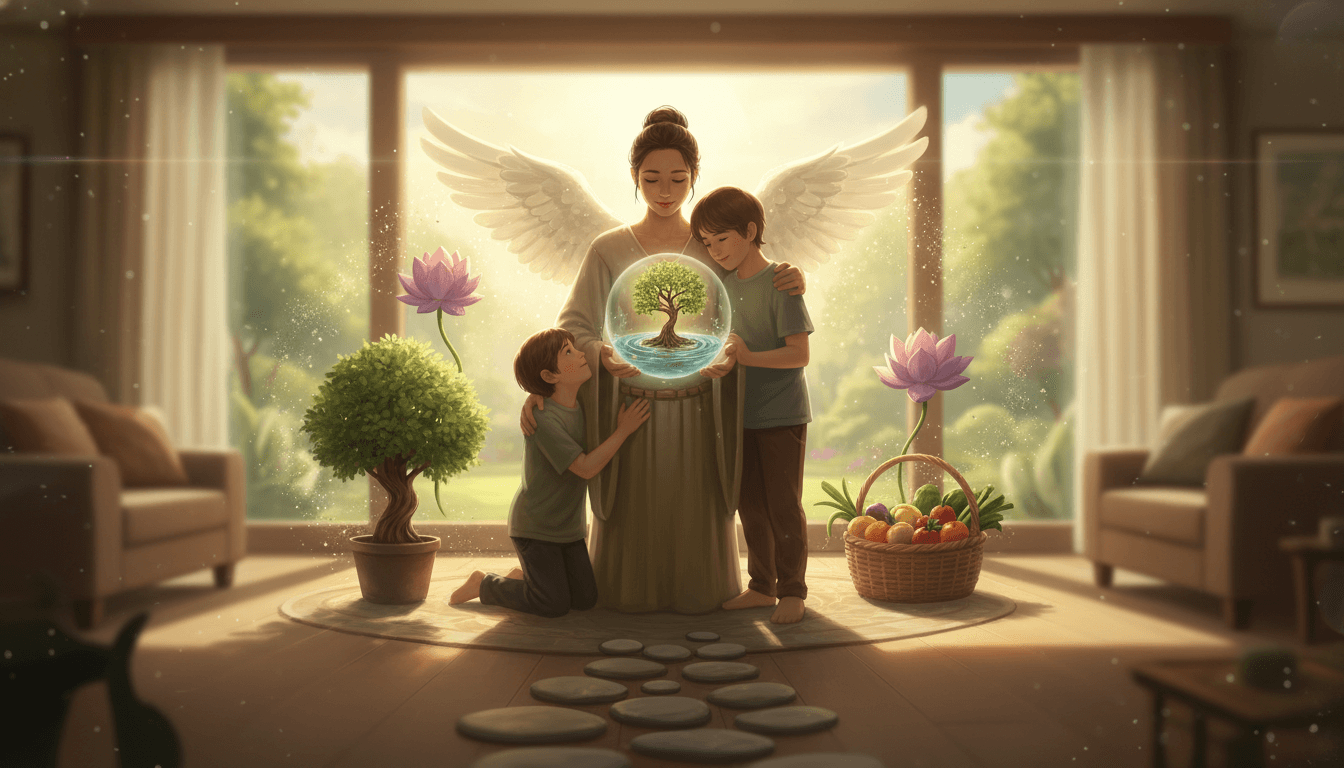
The Life Path 6 child is the “little parent” of the household. Naturally responsible and caring, they are deeply concerned with justice and harmony. You will often find them comforting a crying sibling or worrying about whether everyone is happy. They are motivated by a desire to help and to be “good.”
The Challenge: Perfectionism and Anxiety
The shadow side of the 6 is crippling perfectionism. They put immense pressure on themselves to be the perfect child, student, and friend. If there is conflict at home, the 6 child often internalizes it, believing it is their job to fix it. This leads to anxiety and a tendency to be critical when others don’t meet their high standards.
Parenting Strategy: The Safe Harbor
- Praise the person, not the performance: Remind them they are loved for who they are, not for how helpful or perfect they are.
- Encourage mistakes: Combat perfectionism by modeling failure. Show them that making a mistake is part of learning, not a moral failing.
- Reciprocate the love: While they nurture everyone else, they desperately need to be nurtured. Physical affection and verbal reassurance are non-negotiable for a Life Path 6.
[Affiliate Link: Is your child a perfectionist or a rebel? Unlock the secrets of their personality with a full Numerology Profile.]
Life Path 7: The Analytical Seeker

The Life Path 7 child is the mystic and scientist rolled into one. Deeply internal, they always ask big questions like “Why are we here?” They are highly intellectual yet profoundly intuitive, often feeling like observers of human behavior rather than participants.
The Challenge: The Loner
Parents often worry about the Life Path 7’s need for solitude. These children require significant downtime to process the information they absorb. They may be socially awkward or disinterested in superficial play, guarding their privacy fiercely. They can shut down if they feel their inner world is being invaded.
Parenting Strategy: The Mentor
- Respect their privacy: Knock before entering. Don’t force them to talk about feelings until they are ready. Trust is the currency of your relationship.
- Feed their mind: Provide books, science kits, and access to nature. They need to understand how the universe works to feel safe.
- Bridge the gap: Encourage them to trust their intuition. Validating their “hunches” helps them integrate their logical brain with their spiritual gifts.
Life Path 8: The Ambitious Achiever

The Life Path 8 child is a powerhouse. Even young, they have a presence that commands attention. Goal-oriented and ambitious, they have an innate understanding of power and authority. They are the “bossy” children organizing the game and assigning roles to everyone else.
The Challenge: Power Struggles
Parenting an 8 is often an exercise in negotiation. These children do not accept “because I said so.” They view themselves as your equal and will challenge illogical or unfair rules. They can be demanding and intense, struggling to be vulnerable or admit when they are hurt.
Parenting Strategy: The Boardroom
- Respect and negotiate: Treat them with the respect you would give a colleague. Explain the reasoning behind rules and allow them to negotiate small things to feel empowered.
- Teach value, not just price: 8s are drawn to material success. Teach them the value of generosity and character so they don’t become purely transactional.
- Unconditional love: Beneath the armor, they are terrified of failure. Reassure them that they are loved even when they lose or fail.
Life Path 9: The Compassionate Humanitarian

The Life Path 9 child is an “old soul” carrying wisdom beyond their years. Compassionate, artistic, and deeply concerned with the welfare of others, they are the children bringing home stray animals or crying over sad news stories. They are here to learn about letting go and serving the greater good.
The Challenge: The Weight of the World
Because they see the big picture, Life Path 9 children often feel like misfits among peers concerned with trivial things. They are prone to emotional outbursts as they feel the world’s pain intensely. They also struggle with boundaries, often giving away their lunch or toys and then feeling used.
Parenting Strategy: The Global Citizen
- Support their causes: If they want to save the whales or help the homeless, facilitate it. Action helps them channel intense emotions into something positive.
- Creative outlets: Art, music, and drama are essential. They need a safe space to express complex emotions they cannot always verbalize.
- Teach boundaries: Help them understand that self-care is not selfish. They cannot save the world if they are running on empty.
The Master Numbers: 11, 22, and 33

If your child’s Life Path reduces to an 11, 22, or 33, they carry a “Master Number.” These children operate at a higher vibrational frequency, often manifesting as high nervous tension and extreme sensitivity.
- Life Path 11 (The Illuminator): These “super-sensitives” are dreamy, anxious, and highly intuitive. They need grounding and a parent who acts as an anchor when their imagination floats them away.
- Life Path 22 (The Master Builder): A blend of the sensitive 11 and practical 4, these children have massive potential but feel overwhelming pressure to achieve. They are often late bloomers—be patient with them.
- Life Path 33 (The Master Teacher): The most spiritually evolved number, the 33 child is pure love and nurturing to a fault. Parents must protect them from being taken advantage of, as they lack natural defenses against cruelty.
Finding the Balance

Understanding your child’s numerology isn’t about putting them in a box; it’s about understanding the box they came in so you can help them unpack it. By aligning your parenting style with their natural design, you reduce friction and build a relationship based on deep respect.
Whether you are raising a wild Life Path 5 or a stoic Life Path 4, remember that they chose you to be their guide. Trust your intuition, use the numbers as your map, and enjoy the journey.